Inference & Text Evidence
Reading between the lines, then pointing to the part of the book that proves it. It’s one of the most important skills in upper elementary and middle school reading, and one of the easiest to practice at home.
Authors rarely spell everything out. They show what a character does or says, or they include a small detail, and trust the reader to figure out the rest. That figuring out is called an inference.
Text evidence is the proof: the sentence or detail in the book that backs the inference up. Explaining an idea and supporting it with the text is something kids are asked to do again and again in reading class, so practicing it at home pays off at school.
How to teach it at home
Three techniques you can use during any reading session.
- Think out loud. While you read together, share your own inferences as you go: “She slammed the door. I think she’s angry, because people slam doors when they’re upset.” Hearing you do it shows your child what it sounds like.
- Pause and ask. Stop at an interesting moment and ask a “why” or “how do you think” question, like the ones below. Let your child answer before you share your own idea.
- Ask for the proof. When your child makes a guess, follow up with “What makes you think so?” or “Can you show me where?” A strong answer has an idea that goes beyond the words on the page and a clue from the book that backs it up.
Questions to ask
These work with almost any book.
- How do you think ___ is feeling right now? What makes you think so?
- Why do you think ___ did that?
- What do you think will happen next? Which clues helped you guess?
- What is the author showing us without saying it directly?
- Can you find the sentence that proves it?
- Was your guess right? What in the book changed your mind?
If your child gets stuck
- Reread the part together, out loud. Clues are easier to spot the second time through.
- Start with feelings. “How do you think she feels?” is easier than “Why did she do that?”
- Share your own guess and the clue behind it, then ask your child to find a different clue.
- Accept any idea your child can support. Inferences can differ, as long as the book backs them up.
Books for practicing inference
Each of these books has questions that ask your child to read between the lines and point to the evidence.
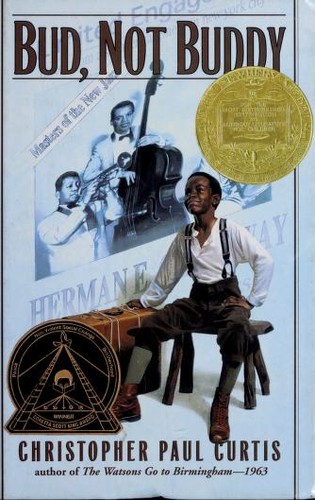
Bud, Not Buddy
It's 1936, in Flint, Michigan. Ten-year-old Bud may be a motherless boy on the run, but he's on a mission. His momma never told him who his father was, but she left a clue: posters of Herman E. Calloway and his famous band, the Dusky…
View book for Bud, Not Buddy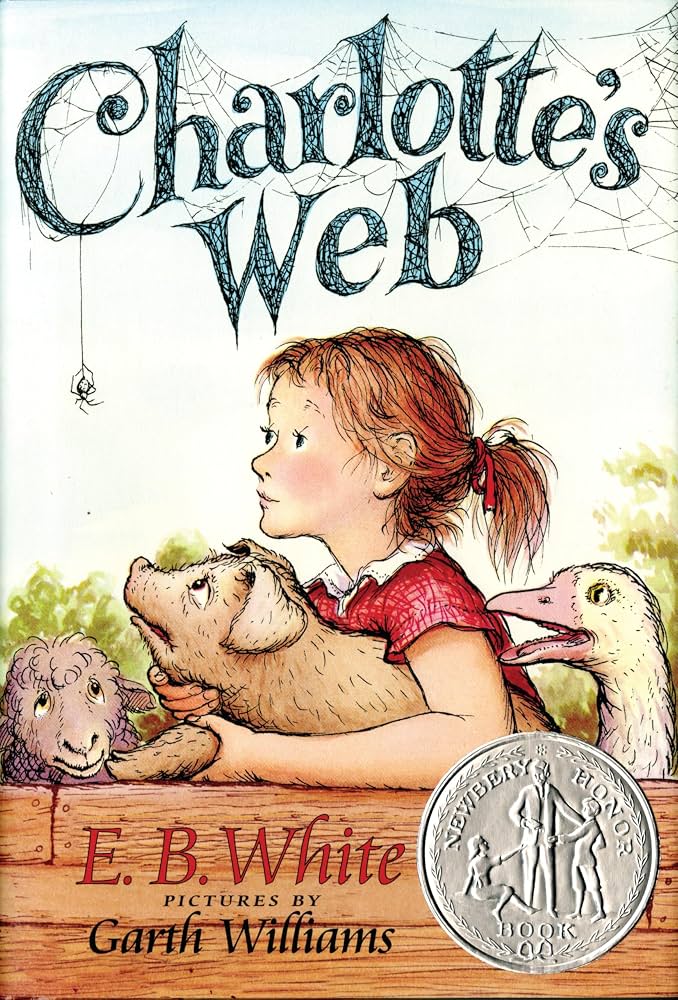
Charlotte’s Web
Wilbur is the runt of a litter born to a pig on the farm of Fern Arable's father. When it is announced that her father is going to kill the pig, Fern rushes forth to save it, asking of her father: "If I had been…
View book for Charlotte’s Web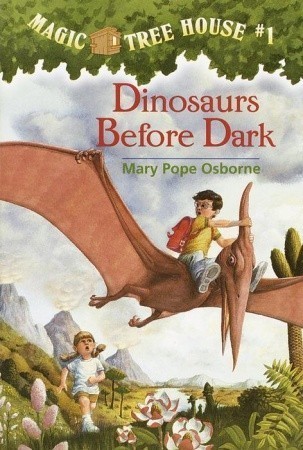
Dinosaurs Before Dark
Jack and Annie find a magic tree house that takes them to the place and time of the dinosaurs. They encounter different kinds of dinosaurs including a Tyrannosaurus rex and find a gold medallion with the letter M engraved on it.
View book for Dinosaurs Before Dark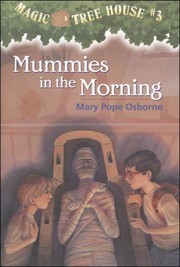
Mummies in the Morning
Jack and Annie find themselves in the desert near a great pyramid. They run into a ghost names Hutepi who has waited a thousand years to make her journey to the Next Life.
View book for Mummies in the Morning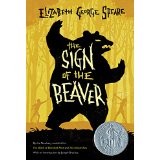
The Sign of the Beaver
Until the day his father returns to their cabin in the Maine wilderness, 12-year-old Matt must try to survive on his own. During an attack by swarming bees, Matt is rescued by an Indian chief and his grandson. A Newbery Honor Book.
View book for The Sign of the BeaverExplore other reading skills
- Character Development How characters grow and change, and what causes it.
- Main Idea & Theme What the story is really about, and the lesson it leaves.
- Point of View Who is telling the story, and how that shapes what we see.
- Compare & Contrast Noticing how characters, places and events are alike and different.
- Vocabulary & Writing Prompts Word lists and writing ideas to go with the book.