Point of View
Noticing who is telling the story, and how that person’s view shapes what readers see and feel.
Every story is told by someone. In first person, a character tells the story using “I,” so readers only know what that character knows. In third person, a narrator outside the story uses “he” and “she,” and may share what several characters are thinking.
Point of view matters because a narrator can’t see everything, and may not be completely fair. Some books switch narrators between chapters, and noticing whose eyes you’re looking through changes how you understand what happens.
How to teach it at home
Three techniques you can use during any reading session.
- Find the narrator. At the start of a book or chapter, ask “Who is telling this part?” Look for clues like “I” or a character’s name at the top of the chapter.
- Swap the view. Ask how a scene would sound if a different character told it. Retelling it from another side shows how much point of view shapes a story.
- Check for fairness. Ask whether the narrator might be leaving something out, or seeing things only their own way.
Questions to ask
These work with almost any book.
- Who is telling this part of the story? How do you know?
- Is the narrator a character in the story, or someone outside it?
- How does ___ feel about what’s happening?
- How would ___ tell this part differently?
- What doesn’t the narrator know yet?
- Do you trust the narrator? Why or why not?
If your child gets stuck
- Look at the pronouns together. “I” and “we” usually mean first person.
- Check the chapter title. Many books with more than one narrator put the narrator’s name there.
- Act it out: have your child retell a scene as a different character.
- Use a real-life example, like how you and your child might each describe the same disagreement.
Books for practicing point of view
Each of these books has questions about who is telling the story and how they see it.
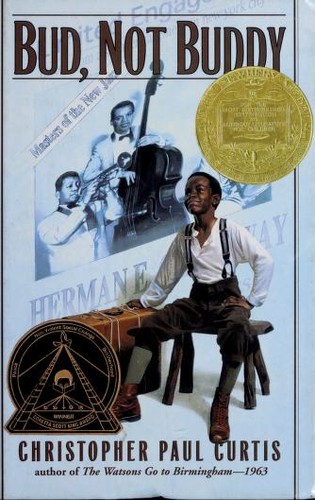
Bud, Not Buddy
It's 1936, in Flint, Michigan. Ten-year-old Bud may be a motherless boy on the run, but he's on a mission. His momma never told him who his father was, but she left a clue: posters of Herman E. Calloway and his famous band, the Dusky…
View book for Bud, Not Buddy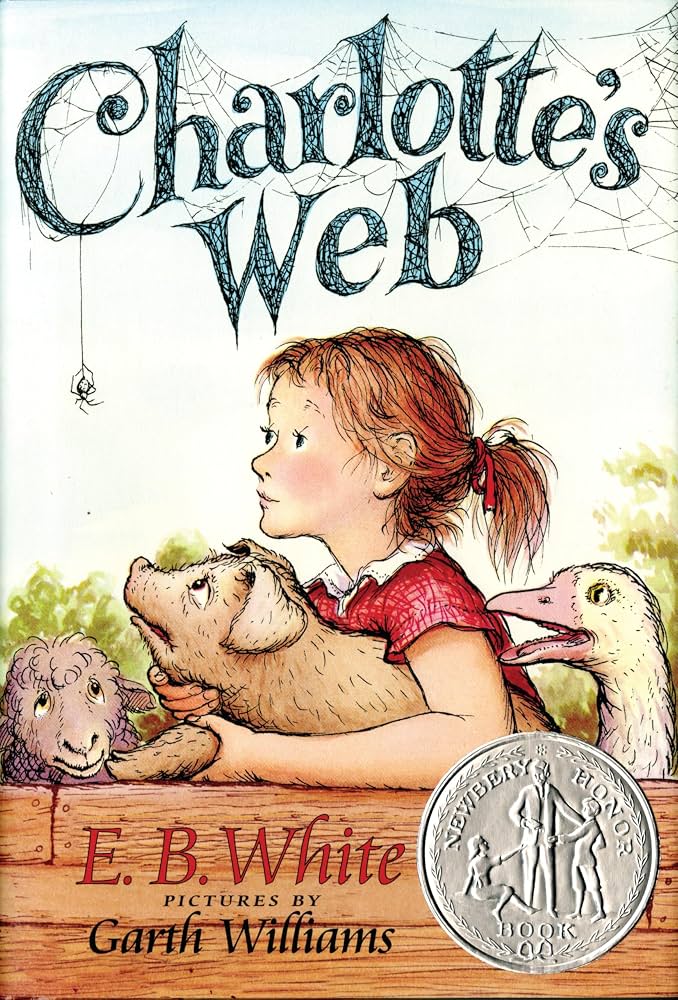
Charlotte’s Web
Wilbur is the runt of a litter born to a pig on the farm of Fern Arable's father. When it is announced that her father is going to kill the pig, Fern rushes forth to save it, asking of her father: "If I had been…
View book for Charlotte’s Web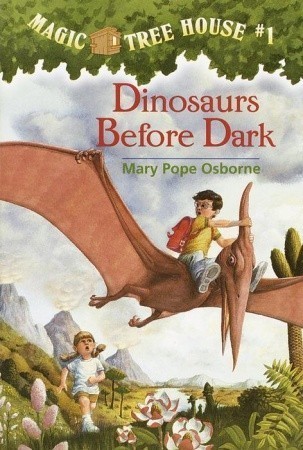
Dinosaurs Before Dark
Jack and Annie find a magic tree house that takes them to the place and time of the dinosaurs. They encounter different kinds of dinosaurs including a Tyrannosaurus rex and find a gold medallion with the letter M engraved on it.
View book for Dinosaurs Before Dark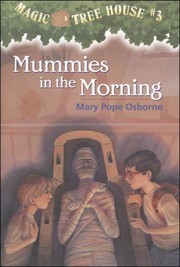
Mummies in the Morning
Jack and Annie find themselves in the desert near a great pyramid. They run into a ghost names Hutepi who has waited a thousand years to make her journey to the Next Life.
View book for Mummies in the Morning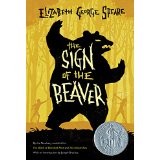
The Sign of the Beaver
Until the day his father returns to their cabin in the Maine wilderness, 12-year-old Matt must try to survive on his own. During an attack by swarming bees, Matt is rescued by an Indian chief and his grandson. A Newbery Honor Book.
View book for The Sign of the BeaverExplore other reading skills
- Inference & Text Evidence Reading between the lines, then finding the page that proves it.
- Character Development How characters grow and change, and what causes it.
- Main Idea & Theme What the story is really about, and the lesson it leaves.
- Compare & Contrast Noticing how characters, places and events are alike and different.
- Vocabulary & Writing Prompts Word lists and writing ideas to go with the book.