
Compare & Contrast
Noticing how characters, places and events are alike and different, and what those differences show.
To compare is to find what two things have in common. To contrast is to find what makes them different. Kids can compare two characters, two settings, the beginning and end of a story, or a story and their own life.
Authors often put two things side by side on purpose, like two families, two friends or two places, so the differences stand out. Noticing that helps kids see what the author is trying to show.
How to teach it at home
Three techniques you can use during any reading session.
- Pick two things. Choose two characters, places or events and ask your child how they’re alike and how they’re different. Start with obvious differences, then look deeper.
- Make a quick chart. Draw two overlapping circles (a Venn diagram) or two columns on scrap paper. Seeing the lists side by side makes it easier to talk about.
- Ask “so what?” Once you’ve found the differences, ask why the author might have put these two things in the same story.
Questions to ask
These work with almost any book.
- How are ___ and ___ alike? How are they different?
- How is ___ different at the end of the book than at the beginning?
- How is this place different from where we live?
- How is this book like another book you’ve read?
- Which character are you most like? Why?
- Why do you think the author put these two characters in the same story?
If your child gets stuck
- Start with what you can see: how things look, where characters live, what they do.
- Give a sentence starter: “They’re both ___, but ___.”
- Practice with something familiar first, like two pets or two holidays.
- Differences are usually easier to spot than similarities, so it’s fine to start there.
Books for practicing compare and contrast
Each of these books has questions that ask your child to find what’s alike and what’s different.
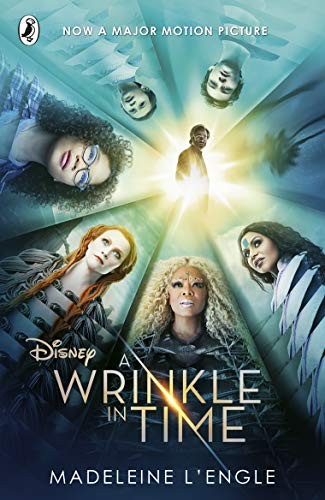
A Wrinkle in Time
Meg Murray, her little brother Charles Wallace, and their mother are having a midnight snack on a dark and stormy night when an unearthly stranger appears at their door. He claims to have been blown off course and goes on to tell them that there…
View book for A Wrinkle in Time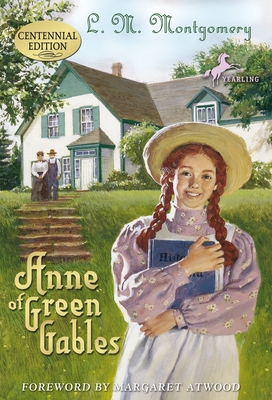
Anne of Green Gables
Anne, an eleven-year-old orphan, is sent by mistake to live with a lonely, middle-aged brother and sister on a Prince Edward Island farm, and proceeds to make an indelible impression on everyone around her.
View book for Anne of Green Gables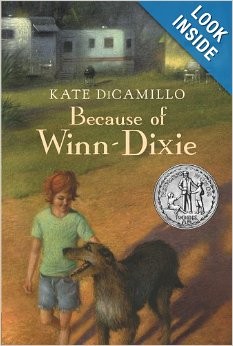
Because of Winn-Dixie
The summer Opal and her father, the preacher, move to Naomi, Florida, Opal goes into the Winn-Dixie supermarket and comes out with a dog. A big, ugly, suffering dog with a sterling sense of humor. A dog she names Winn-Dixie.
View book for Because of Winn-Dixie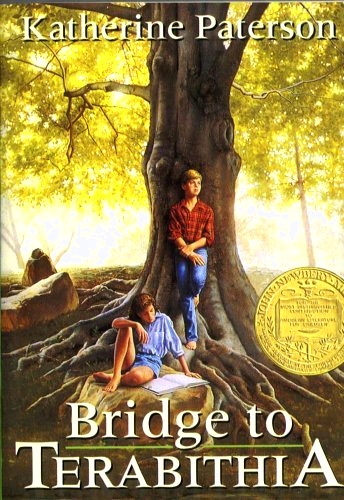
Bridge to Terabithia
The life of a ten-year-old boy in rural Virginia expands when he becomes friends with a newcomer, who subsequently meets an untimely death trying to reach their hideaway, Terabithia.
View book for Bridge to Terabithia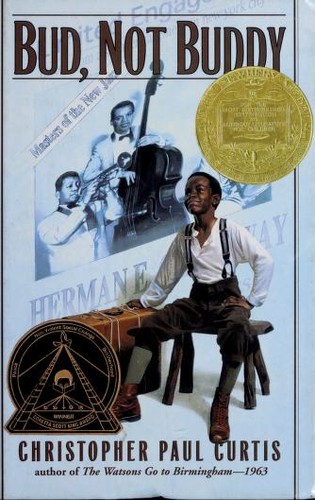
Bud, Not Buddy
It's 1936, in Flint, Michigan. Ten-year-old Bud may be a motherless boy on the run, but he's on a mission. His momma never told him who his father was, but she left a clue: posters of Herman E. Calloway and his famous band, the Dusky…
View book for Bud, Not Buddy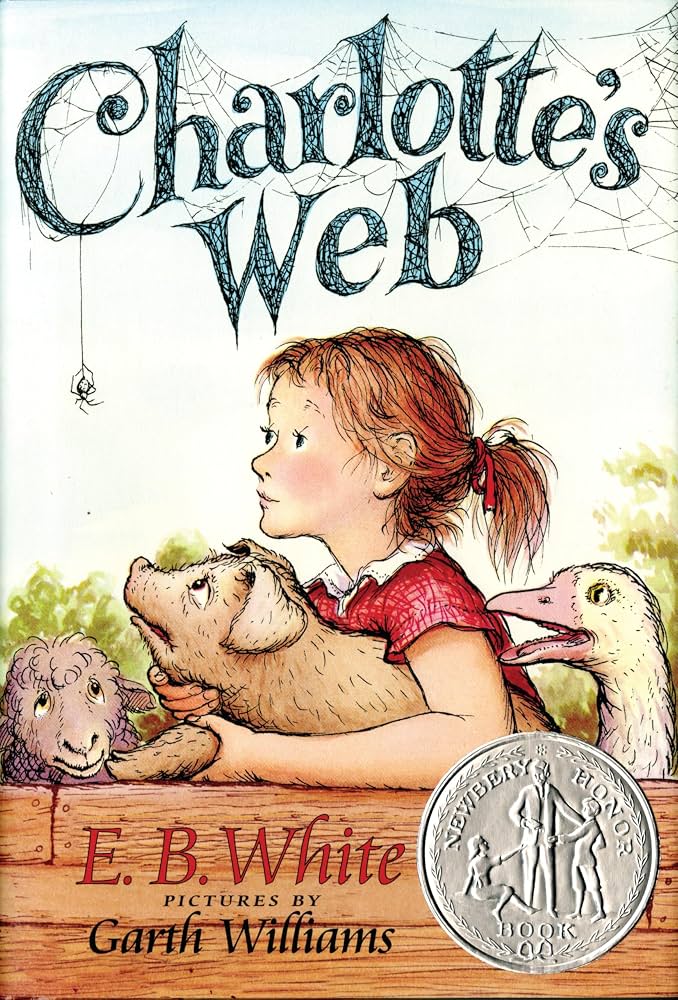
Charlotte’s Web
Wilbur is the runt of a litter born to a pig on the farm of Fern Arable's father. When it is announced that her father is going to kill the pig, Fern rushes forth to save it, asking of her father: "If I had been…
View book for Charlotte’s Web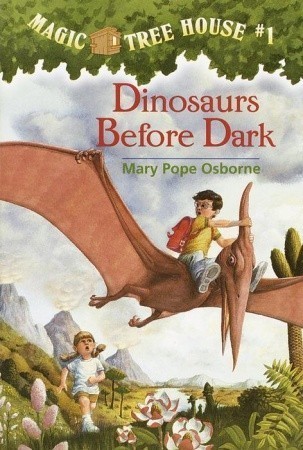
Dinosaurs Before Dark
Jack and Annie find a magic tree house that takes them to the place and time of the dinosaurs. They encounter different kinds of dinosaurs including a Tyrannosaurus rex and find a gold medallion with the letter M engraved on it.
View book for Dinosaurs Before Dark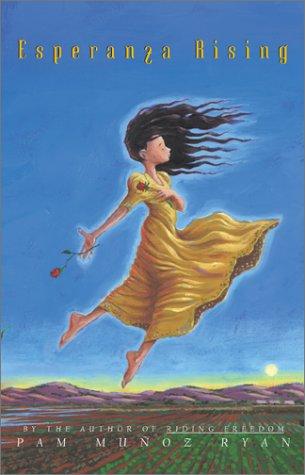
Esperanza Rising
Living life like a princess, Esperanza is a young girl in Mexico. She's forced to leave her country with her mother and everything she's known and tries to figure out life and how to survive as an immigrant in American society.
View book for Esperanza Rising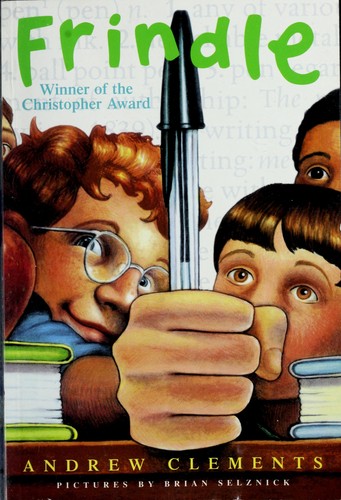
Frindle
Nick is in the fifth grade and comes up with a new word. This begins a battle with his language arts teacher as he tries to get everyone in his school to say it.
View book for Frindle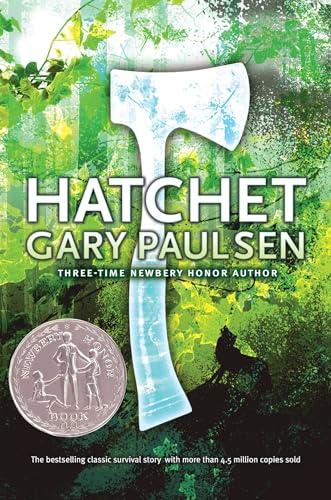
Hatchet
Brian's on his way to visit his father in Canada when the pilot of the small airplane he's in has a heart attack. Brian spends 54 days out in the Canadian wilderness learning how to survive. His mother gave him a hatchet before he left…
View book for Hatchet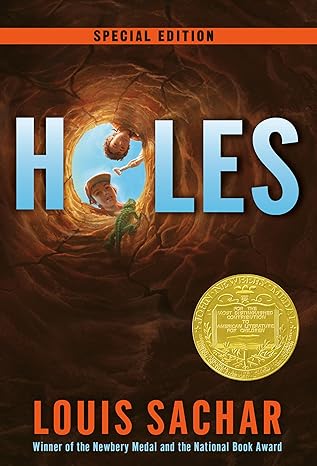
Holes
Stanley Yelnats is under a curse. A curse that began with his no-good-dirty-rotten-pig-stealing great-great-grandfather and has since followed generations of Yelnats. Now Stanley has been unjustly sent to a boys' detention center, Camp Green Lake, where the boys build character by spending all day, every…
View book for Holes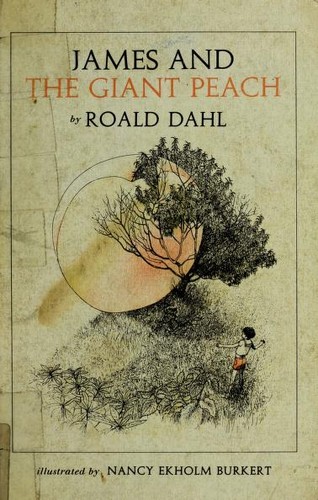
James and the Giant Peach
James Henry Trotter loses his parents and is forced to live with his evil aunts. Luckily, he is given magic crystals, which he accidentally spills on his aunts' decrepit peach tree. One of the peaches begins to grow, and grow, and grow. Finally, James climbs…
View book for James and the Giant Peach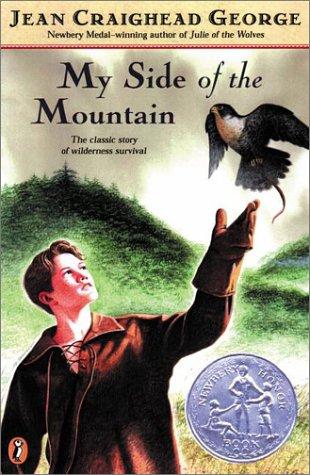
My Side of the Mountain
Fifteen-year-old Sam Gribley has decided to run away from his crowded apartment home, but unlike most kids who rarely get beyond their block, Sam goes from New York City all the way to the ruined farm of Great-grandfather Gribley in the Catskill Mountains of upstate…
View book for My Side of the Mountain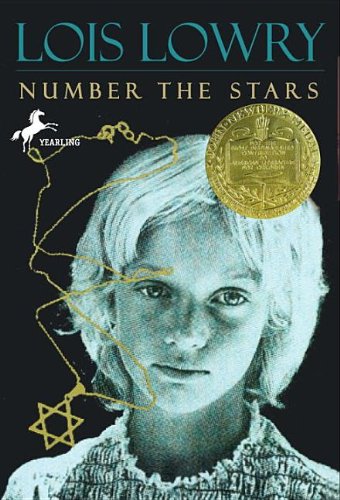
Number the Stars
In 1943, during the German occupation of Denmark, ten-year-old Annemarie learns how to be courageous when she helps shelter her Jewish friend from the Nazis. The story contains profanity, violence, slurs, and negative stereotypes.
View book for Number the Stars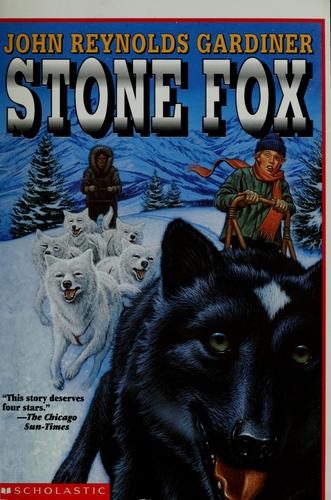
Stone Fox
Grandfather is sick and ten year old Little Willie is left to care for the farm and find a way to pay the taxes. His only hope to keep the farm is to win a dog sled race, but the legendary dog sled racer, Stone…
View book for Stone Fox
The Sign of the Beaver
Until the day his father returns to their cabin in the Maine wilderness, 12-year-old Matt must try to survive on his own. During an attack by swarming bees, Matt is rescued by an Indian chief and his grandson. A Newbery Honor Book.
View book for The Sign of the Beaver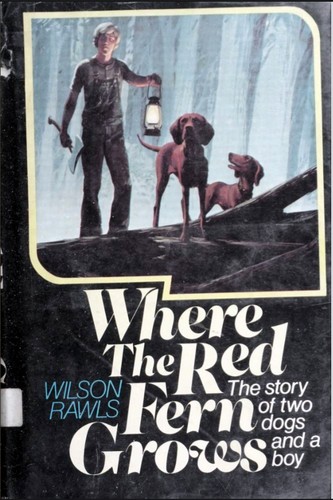
Where the Red Fern Grows
Billy Coleman works and saves to buy two red-bone hunting hounds while his grandfather provides him with support and lessons in growing up. The plot contains mild profanity and gore. Additional resources by Steve.
Comprehension Questions (by Steve)
View book for Where the Red Fern Grows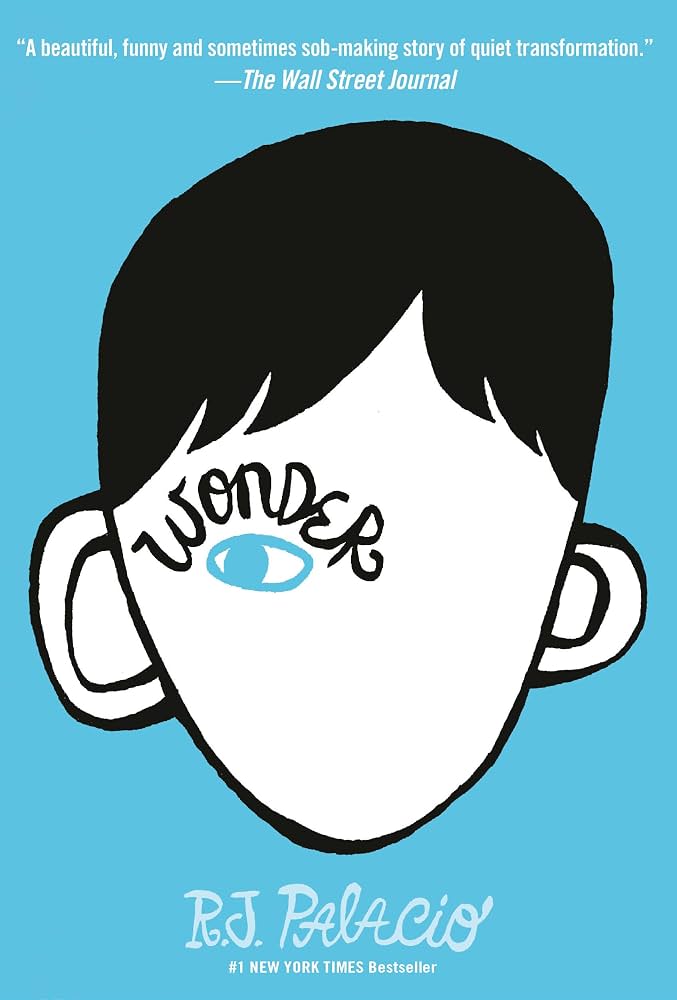
Wonder
August (Auggie) Pullman was born with a facial difference that prevented him from going to a main-stream school - until now. He's about to enter fifth grade at Beecher Prep, and if you've ever been the new kid, you know how hard that can be.…
View book for WonderExplore other reading skills
- Inference & Text Evidence Reading between the lines, then finding the page that proves it.
- Character Development How characters grow and change, and what causes it.
- Main Idea & Theme What the story is really about, and the lesson it leaves.
- Point of View Who is telling the story, and how that shapes what we see.
- Vocabulary & Writing Prompts Word lists and writing ideas to go with the book.