
Vocabulary & Writing Prompts
Understanding new words as they come up in the story, then putting ideas about the book into writing.
Middle grade books are full of new words and expressions. Kids don’t need to stop for every one, but figuring out a word from the sentences around it, called using context clues, keeps them understanding the story instead of skipping past it.
Writing about reading helps kids slow down and organize what they think. Even a few sentences about a character or a favorite part shows how well they understood.
How to teach it at home
Three techniques you can use during any reading session.
- Preview tricky words. Before a chapter, look over the book’s vocabulary list together and talk about two or three words. Our lists give the page number for each word, so you can find it in the story.
- Guess from the sentence. When your child meets an unfamiliar word or expression, ask them to reread the sentence and guess what it means before looking it up.
- Talk first, then write. Before a writing prompt, have your child tell you their answer out loud. Once the ideas are there, writing them down is much easier.
Questions to ask
These work with almost any book.
- What do you think this word means? What in the sentence helped you guess?
- Can you think of another word that means the same thing?
- Why do you think the author chose this word?
- What picture does this phrase put in your head?
- Can you use this word in your own sentence?
- What is one thing you’d tell a friend about this chapter?
If your child gets stuck
- Read the sentence before and after. The clue is often close by.
- Try swapping in a simpler word to see if the sentence still makes sense.
- For writing, let your child say it first. If the writing itself is a struggle, write down their words for them.
- Keep writing short. Three thoughtful sentences are better than a page of summary.
Books with vocabulary lists and writing prompts
Look for the Vocabulary and Writing Prompts links near the top of each book’s page.
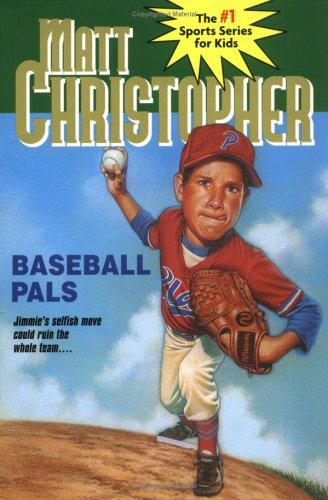
Baseball Pals
Jimmie learns an important lesson about the misuse of power when he is elected captain of his baseball team and makes decisions that are not in the team's best interests.
View book for Baseball Pals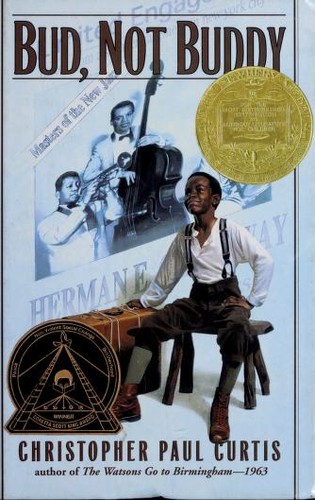
Bud, Not Buddy
It's 1936, in Flint, Michigan. Ten-year-old Bud may be a motherless boy on the run, but he's on a mission. His momma never told him who his father was, but she left a clue: posters of Herman E. Calloway and his famous band, the Dusky…
View book for Bud, Not Buddy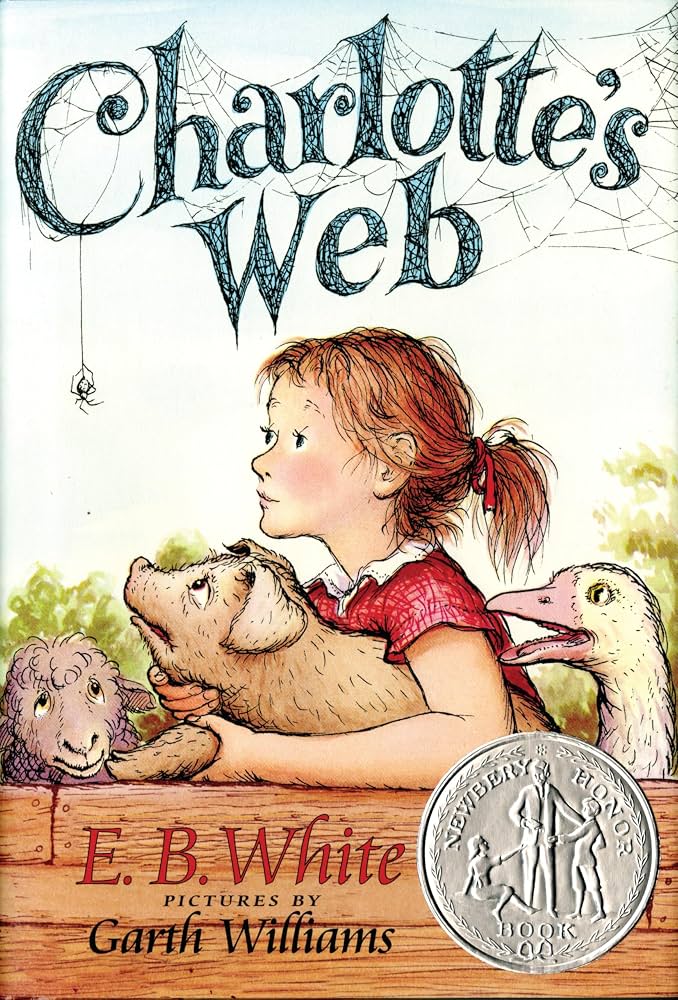
Charlotte’s Web
Wilbur is the runt of a litter born to a pig on the farm of Fern Arable's father. When it is announced that her father is going to kill the pig, Fern rushes forth to save it, asking of her father: "If I had been…
View book for Charlotte’s Web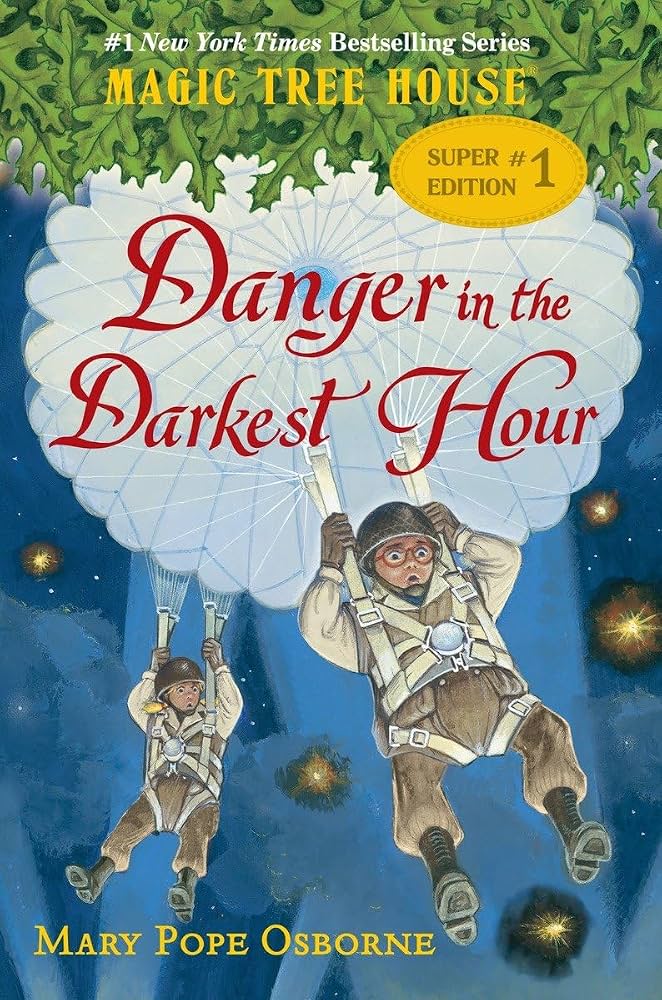
Danger in the Darkest Hour
The Magic Tree House has taken Jack and Annie back in time to England in 1944. England is fighting for its life in World War II. Before long, Jack and Annie find themselves parachuting into Normandy, France, behind enemy lines. The date is June 5.…
View book for Danger in the Darkest Hour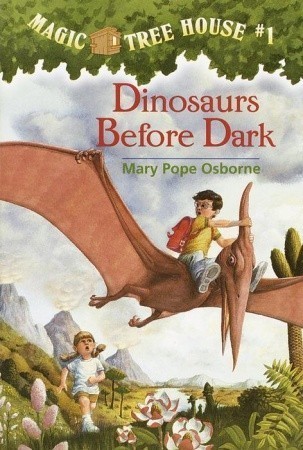
Dinosaurs Before Dark
Jack and Annie find a magic tree house that takes them to the place and time of the dinosaurs. They encounter different kinds of dinosaurs including a Tyrannosaurus rex and find a gold medallion with the letter M engraved on it.
View book for Dinosaurs Before Dark
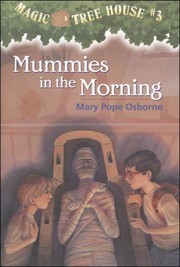
Mummies in the Morning
Jack and Annie find themselves in the desert near a great pyramid. They run into a ghost names Hutepi who has waited a thousand years to make her journey to the Next Life.
View book for Mummies in the Morning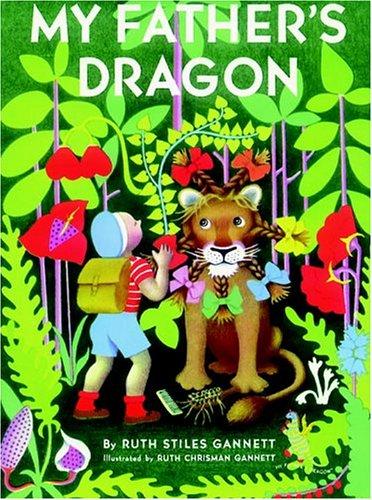
My Father’s Dragon
When Elmer Elevator hears about the plight of an overworked and under-appreciated flying baby dragon, he packs his knapsack with supplies and stows away on a ship headed for Wild Island. Nothing will stop Elmer from rescuing the dragon!
View book for My Father’s Dragon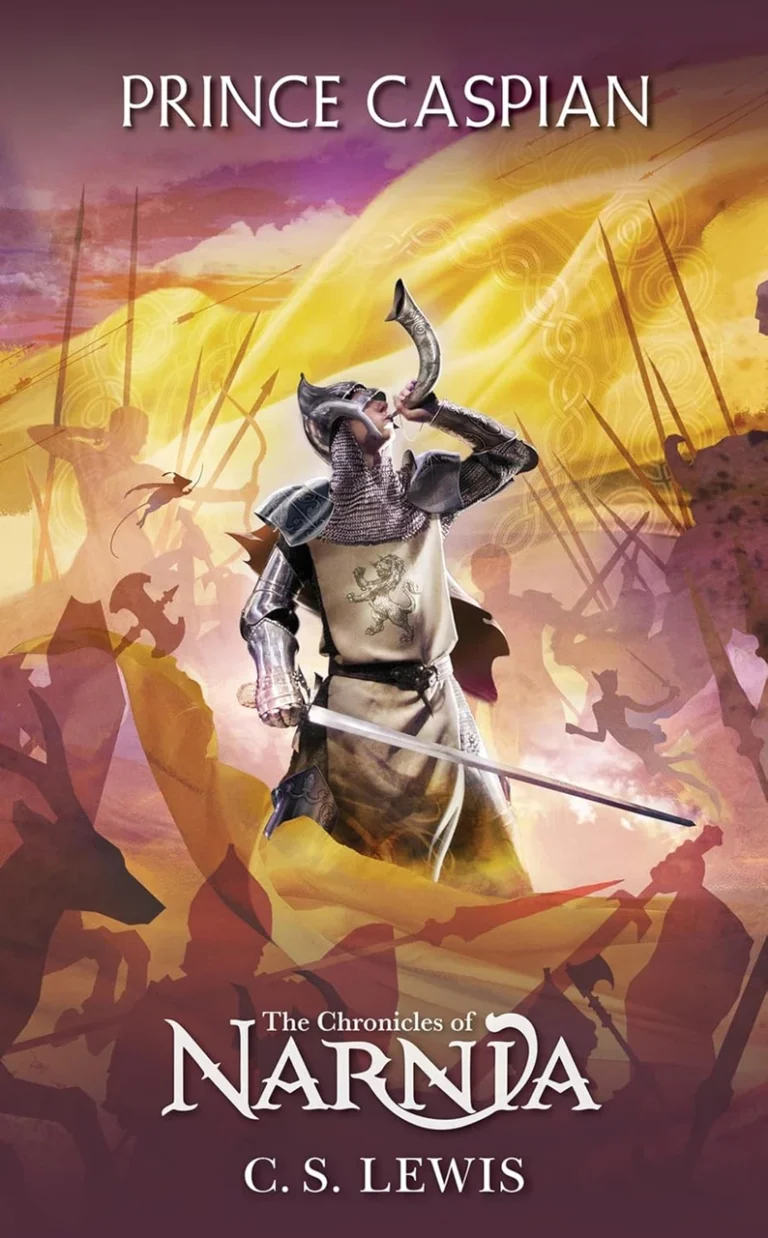
Prince Caspian
Narnia…the land between the lamp-post and the castle of Cair Paravel, where animals talk, where magical things happen… and where the adventure begins. Peter, Susan, Edmund, and Lucy are returning to boarding school when they are summoned from the dreary train station (by Susan’s own…
View book for Prince Caspian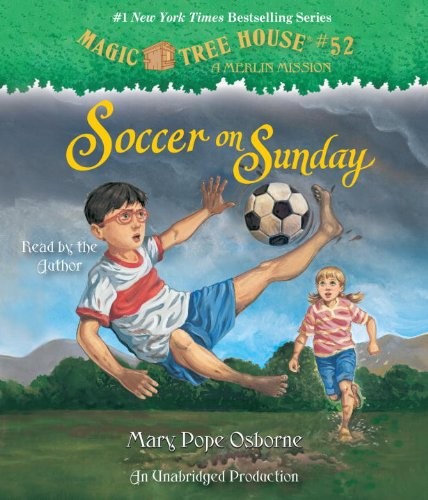
Soccer on Sunday
Jack and Annie find themselves in the streets of Mexico where they must find the final secret of greatness for Merlin. There they meet a young soccer player who dreams of one day playing just like his hero, the great Brazilian soccer player, Pele.
View book for Soccer on Sunday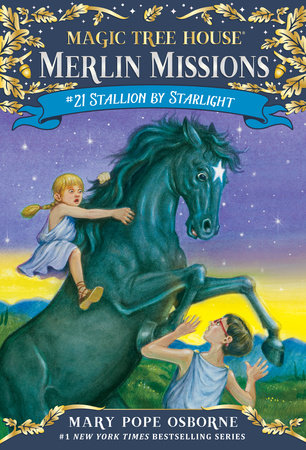
Stallion by Starlight
Time-traveling brother-and-sister team Jack and Annie must find four secrets of greatness for Merlin the magician. To start, they travel back in time to meet Alexander the Great. He should know all about greatness, right? But young Alexander is bossy, vain, and not great at…
View book for Stallion by Starlight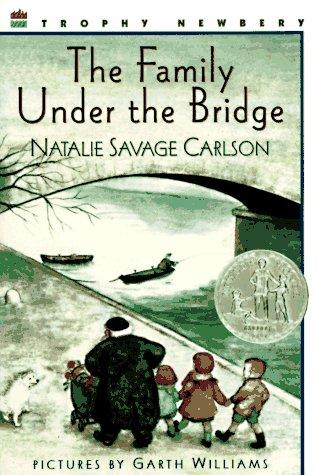
The Family Under the Bridge
Armand, an old man living on the streets of Paris, relishes his solitary life in the beautiful city. Then one day just before Christmas, Armand returns to his favorite spot beneath the bridge to find three cold and hungry children. Although he has no interest…
View book for The Family Under the Bridge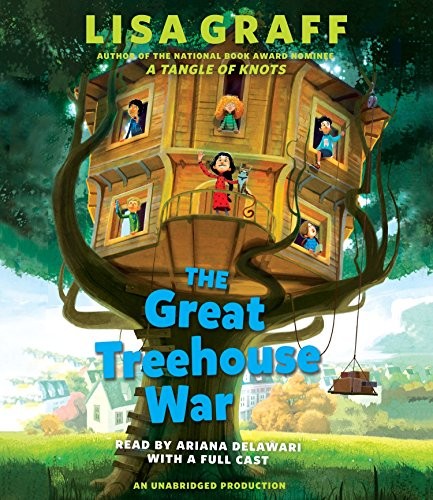
The Great Treehouse War
Fifth-grader Winnie, with notes from her friends, writes of turning her treehouse into an embassy after her newly divorced parents become unreasonable, where she is joined by nine others with complaints.
Comprehension Questions Chapter 1
View book for The Great Treehouse War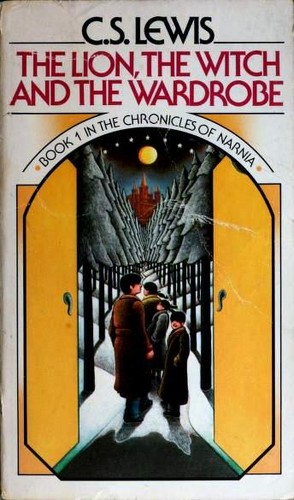
The Lion, the Witch and the Wardrobe
Air-raids over London during WWII compel four siblings – Peter, Susan, Edmund, and Lucy – to be sent away from the city to the house of a kindly but remote Professor “who lived in the heart of the country.” There is much to discover in…
View book for The Lion, the Witch and the Wardrobe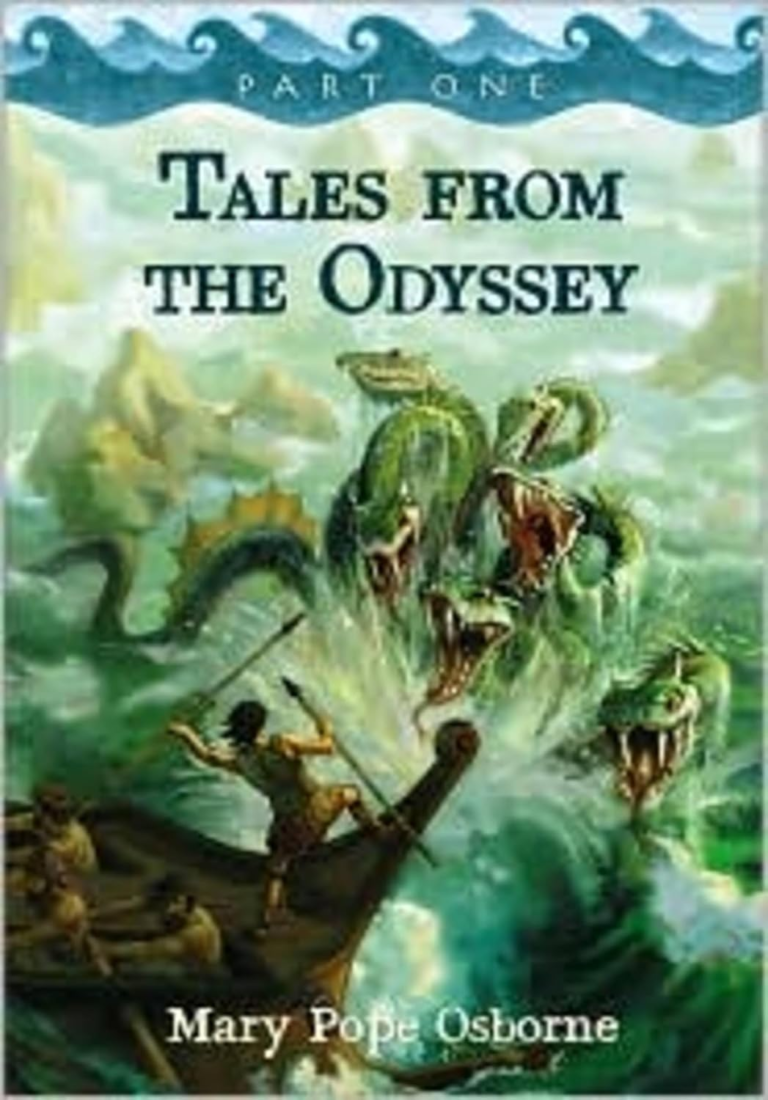
The One-Eyed Giant
After a long war to rescue Helen from the city of Troy, Odysseus is anxious to return to his home of Ithaca. However, many obstacles block his route home, including the mysterious lotus-eaters and the monstrous one-eyed Polyphemus.
View book for The One-Eyed Giant
The Original Adventures of Hank the Cowdog
Hank has been accused of murder! In a fit of despair, Hank resigns his position as Head of Ranch Security and decides to join the outlaw coyotes. There he's known as Hunk (that's Hank in coyote language). Hank meets Missy Coyote, sister to Scraunch —…
Comprehension Questions (by Steve)
View book for The Original Adventures of Hank the Cowdog
The Sign of the Beaver
Until the day his father returns to their cabin in the Maine wilderness, 12-year-old Matt must try to survive on his own. During an attack by swarming bees, Matt is rescued by an Indian chief and his grandson. A Newbery Honor Book.
View book for The Sign of the Beaver
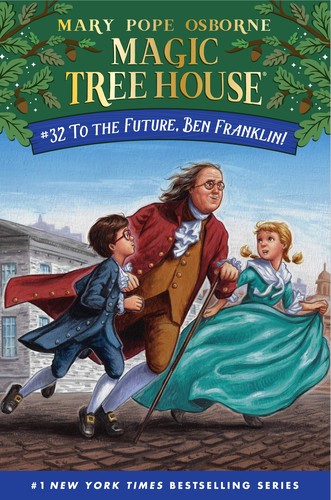
To the Future, Ben Franklin!
Jack and Annie know all about Ben Franklin. He was a Founding Father, a journalist, and a famous inventor! When the magic tree house whisks them back to meet the man himself, they're not sure what their mission is. But Ben Franklin has a mission…
View book for To the Future, Ben Franklin!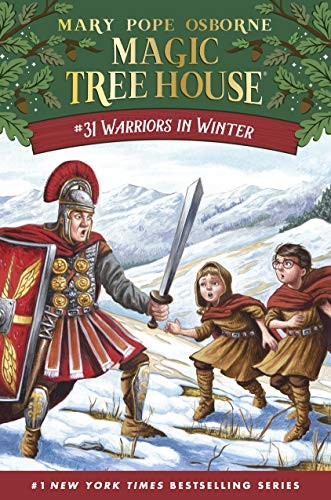
Warriors in Winter
We are warriors! Jack and Annie have met knights, pirates, ninjas, and Vikings, but they have never met the most fearsome warriors of all: Roman soldiers. When the magic tree house whisks them back to the early 100s AD, Jack and Annie find themselves in…
View book for Warriors in Winter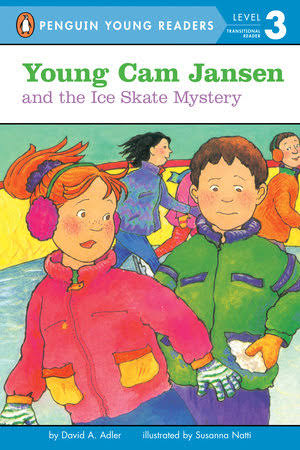
Young Cam Jansen and the Ice Skating Mystery
Cam Jansen and her friend Eric are going ice skating! They put their shoes in a locker, and Eric puts the key in a pocket. "I won't lose it", he tells his father. But he does. Can Cam use her amazing memory to find the…
Comprehension Questions (by Steve)
View book for Young Cam Jansen and the Ice Skating Mystery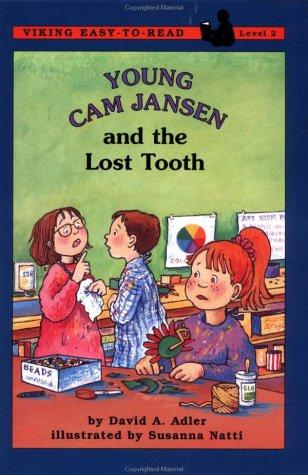
Young Cam Jansen and the Lost Tooth
Annie has lost her tooth during art class, and she cannot find it anywhere. Cam Jansen says she has a memory like a camera. Will Cam have the picture she needs to find the missing tooth?
View book for Young Cam Jansen and the Lost ToothExplore other reading skills
- Inference & Text Evidence Reading between the lines, then finding the page that proves it.
- Character Development How characters grow and change, and what causes it.
- Main Idea & Theme What the story is really about, and the lesson it leaves.
- Point of View Who is telling the story, and how that shapes what we see.
- Compare & Contrast Noticing how characters, places and events are alike and different.